Getting Married in Ireland Guide
Dreaming of getting married in Ireland? You are not alone. From ancient castles and elegant manor houses to coastal cliffs, luxury hotels and intimate gardens, Ireland offers one of the most romantic wedding backdrops in the world. For couples travelling from abroad, it can also be a wonderfully straightforward place to marry once you understand the legal steps and start planning early. In Ireland, all couples must give at least 3 months’ notice to the Civil Registration Service before they can legally marry, and that applies whether the ceremony is civil, religious or secular.
The first thing to understand is that in Ireland there are two sides to planning your wedding: the legal process and the celebration itself. The celebration is the easy part to imagine — choosing a beautiful venue, deciding on your ceremony style, and creating an unforgettable experience for your guests. The legal side requires a little more attention, especially if you are travelling from overseas, but it is very manageable when handled in good time. The key legal document is the Marriage Registration Form (MRF), sometimes called the marriage licence. You receive this from the HSE Civil Registration Service once your notice appointment is complete and your paperwork is approved.
To get that form, both of you usually need to arrange a marriage notification appointment with a registrar. This appointment must be at least 3 months before the wedding date, and the 3-month period runs from the date of that appointment, not from the day you first make contact. Couples are advised to book as early as possible because appointment availability varies and busy times of year can fill up. There is also a non-refundable €200 notification fee.
If you are living abroad, there is helpful flexibility. The Irish government states that couples not living in Ireland can contact a civil registration service about giving notice by post, but you must still satisfy the 3-month notice requirement and you will still need to meet the registrar at least 5 days before the ceremony to sign the declaration and receive the Marriage Registration Form. That point is especially important for destination couples booking flights and accommodation. It means you should not plan to arrive the day before the wedding and expect the legal paperwork to happen instantly.
In general, to be legally entitled to marry in Ireland, both people must have the capacity to marry. That includes being over 18, freely consenting to the marriage, and observing the required formalities. Ireland allows both same-sex and opposite-sex couples to marry. If either of you has been previously married or in a civil partnership, you may need additional documents such as a divorce decree, dissolution papers, death certificate, annulment order or related court paperwork, depending on your circumstances. The HSE checklist also makes clear that widowed people, surviving civil partners, and those previously in civil partnerships must bring the relevant original documents and photocopies.
For couples coming from abroad, nationality and immigration status can also matter. The HSE says that if one of you is a foreign national, or if one partner is an EU national marrying a non-EU national, an interview with the registrar is required. Where one or both partners are not Irish or EU citizens, you may also need to provide evidence of immigration status, such as a passport, visa, residency permit, or official immigration documentation. If you need an interpreter, the interview and ceremony can be conducted with one, but it must be an independent, verifiable interpretation service arranged by the couple.
Once the paperwork is in place, you can think about what type of ceremony suits you best. In Ireland, a legal marriage can be carried out as a civil ceremony, a religious ceremony, or a secular ceremony, provided the person performing it is a registered solemniser. For civil ceremonies, the solemniser is the registrar. For religious and secular ceremonies, the solemniser must appear on the official Register of Solemnisers. You also need two witnesses aged 18 or over at the ceremony.
This is where Ireland becomes especially attractive for couples from overseas. The range of venue options is excellent. A civil ceremony can take place either in a civil registration service or in a venue approved by the registrar. The venue does not have to be in the same area where you live, although registrars generally perform ceremonies in the county where they are based, so it is important to contact the local civil registration office for the area where your venue is located. In some cases, the registrar may need to inspect the venue in advance.
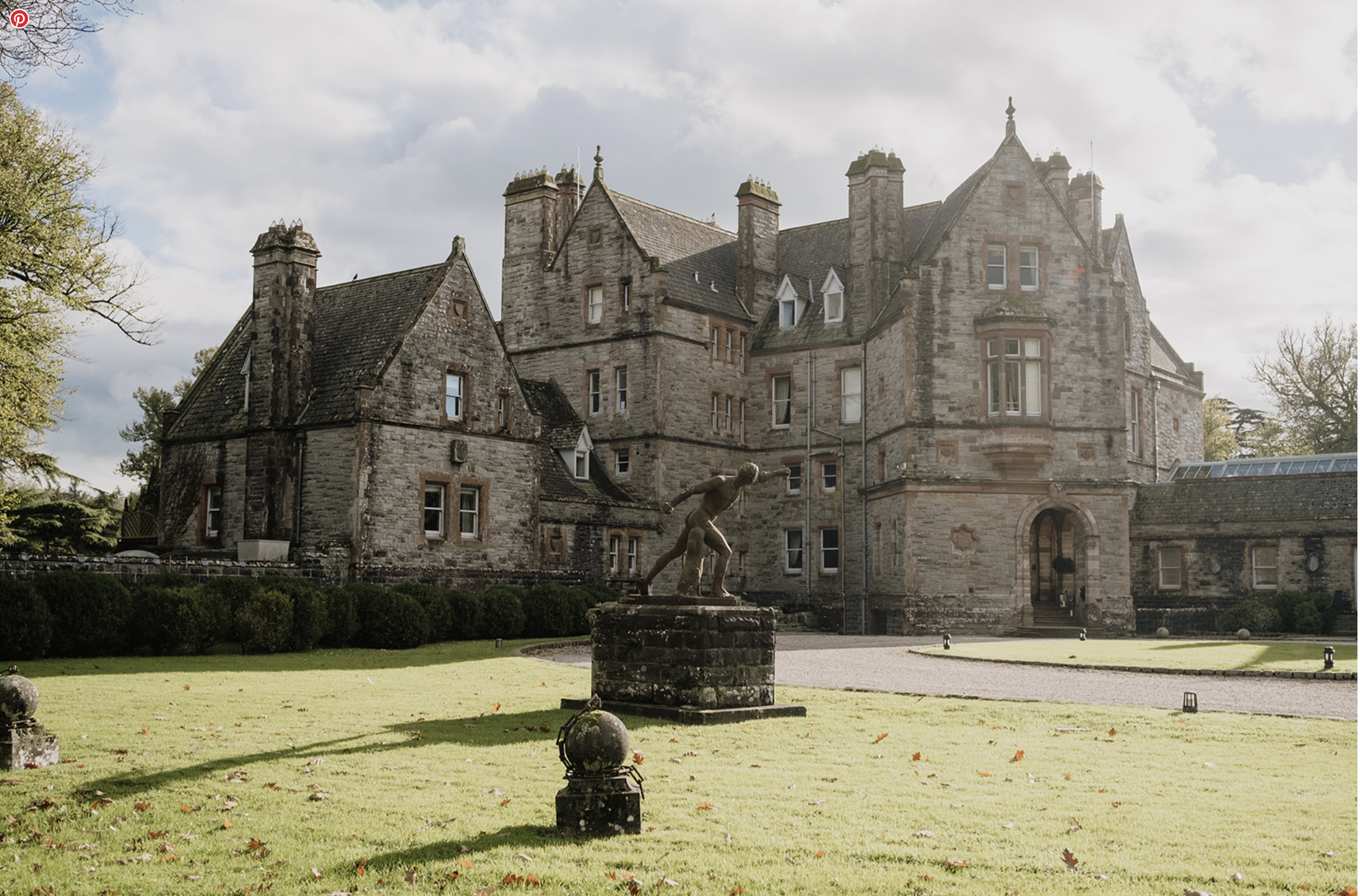
That opens the door to a huge variety of Irish wedding locations. Couples regularly choose castle hotels, country houses, manor estates, luxury resorts, private dining venues, boutique hotels, coastal properties, gardens and purpose-designed wedding venues. If you prefer a more personal or symbolic style of ceremony, a secular celebrant-led ceremony can be a beautiful option, especially if you want something warm, bespoke and reflective of your story rather than a one-size-fits-all format. Many overseas couples love this because it allows them to combine the legal marriage with a more meaningful and memorable ceremony experience in one of Ireland’s most scenic settings.
One practical point couples sometimes miss is what happens after the ceremony. For a civil ceremony, the registrar who performs it registers the marriage. For a religious or secular ceremony, the signed Marriage Registration Form must be brought to any civil registration service within 1 month of the marriage in order to register it. Registering the marriage itself is free, although there is a charge if you later want to buy official marriage certificates.
My biggest advice to couples abroad is simple: start early, book your notice appointment early, and keep your documents organised. Once the legal side is mapped out properly, you can relax and enjoy what Ireland does best — unforgettable scenery, warm hospitality, and truly magical wedding experiences. Whether you are planning a luxury castle celebration, an intimate coastal gathering, or a heartfelt ceremony in the Irish countryside, getting married in Ireland can be both legally straightforward and deeply romantic with the right guidance.
One of the lovely options available to couples getting married in Ireland is working with Emily of Shamrock Ceremonies. Emily is a Reverend with FuturFaith and specialises in creating heartfelt, bespoke ceremonies for couples who want something truly personal. For couples travelling from abroad, this can be especially valuable, as Emily combines the legal side of a recognised ceremony with a warm, modern and meaningful approach that reflects your relationship and your story. Her ceremonies are designed to feel relaxed, sincere and memorable, helping couples create a wedding experience in Ireland that feels every bit as special as the setting itself.